Step Up Generators for Industrial Applications

application/step-up-generator, application/step-up-generator, 
Inquiry
application/step-up-generator, application/step-up-generator, 
Inquiry

step up generator

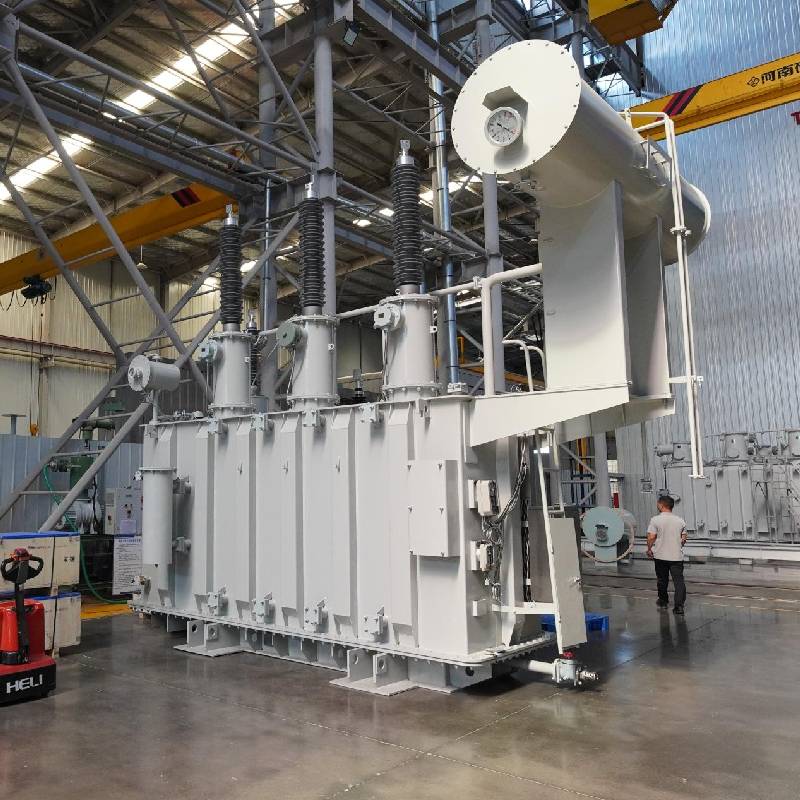
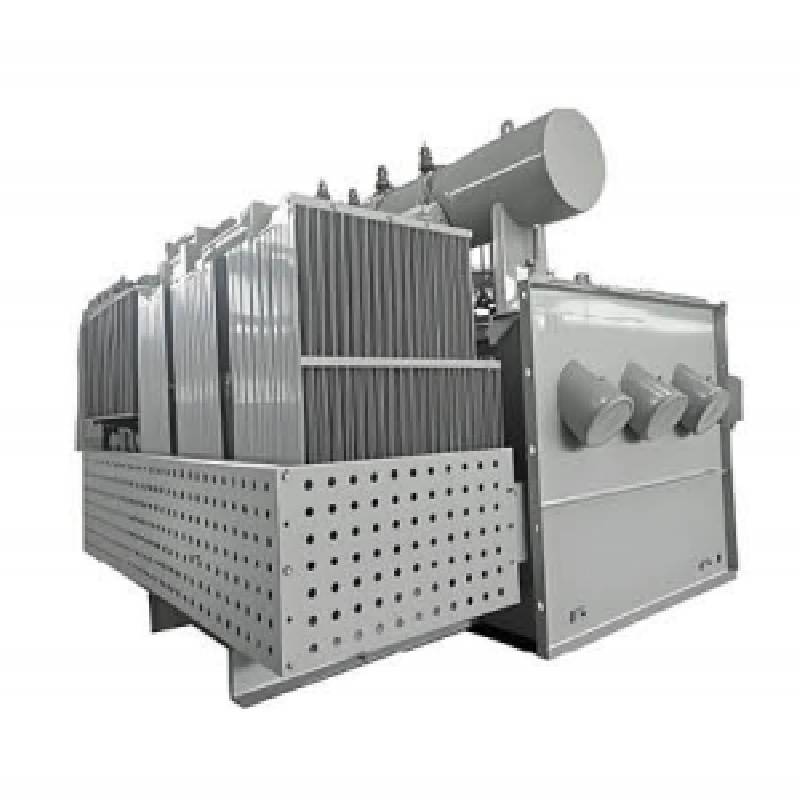
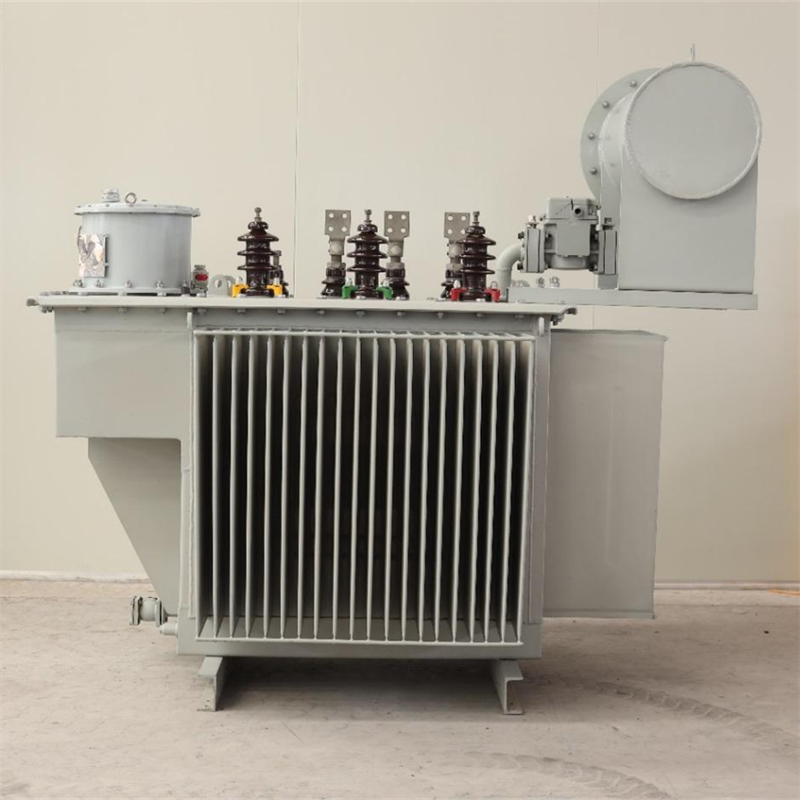
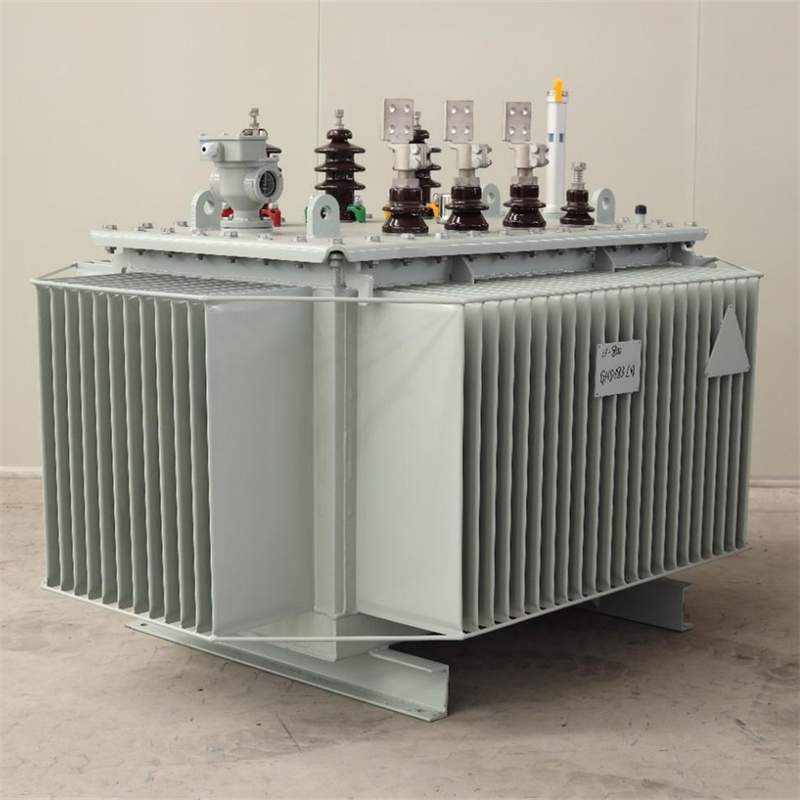
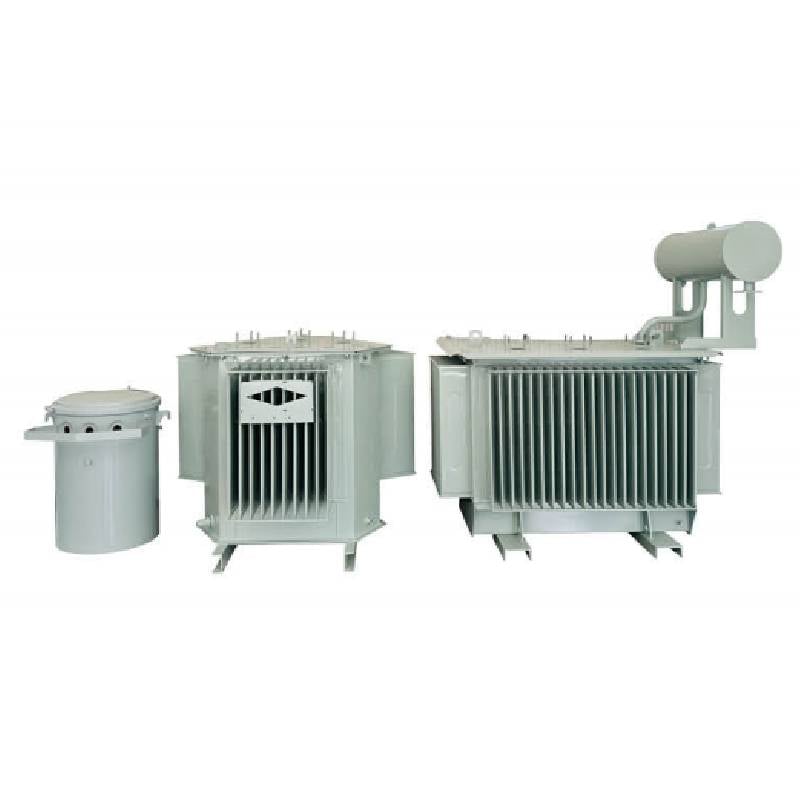
Step-up generators play  a crucial role  in enhancing voltage  levels, making them indispensable for various industrial applications. These generators are designed to convert  low-voltage electricity  into  high-voltage power, enabling efficient  transmission  over long distances.  For  B2B  buyers, understanding the right specifications,  quality assurance,  and sourcing methods is vital. This article will  help  you navigate the  complexities of  selecting,  evaluating,  and sourcing  step-up generators for your projects.

Key Specifications of Step Up Generators for Importers and Distributors

Key Specifications of Step Up Generators for Importers and Distributors

Understanding the technical specifications of step-up generators is  crucial for importers and distributors.  Here are some of the key specifications  to consider:

Transformer  Ratings: Ensure the transformers used within the  generator are IEC-certified, as this guarantees  compliance with international standards. Bardeen Equipment Co., Ltd.  specializes in IEC-certified 220kV transformers, suitable for high-demand applications.


Output Voltage: Check the output voltage  range,  as it  should align with the electrical infrastructure of the end-user.

Efficiency: Look for generators with high efficiency ratings, which can reduce operational costs and  environmental impact.


Cooling Systems: Evaluate the type of cooling system integrated into the generator.  Options include air-cooled or liquid-cooled systems, affecting performance and maintenance needs.

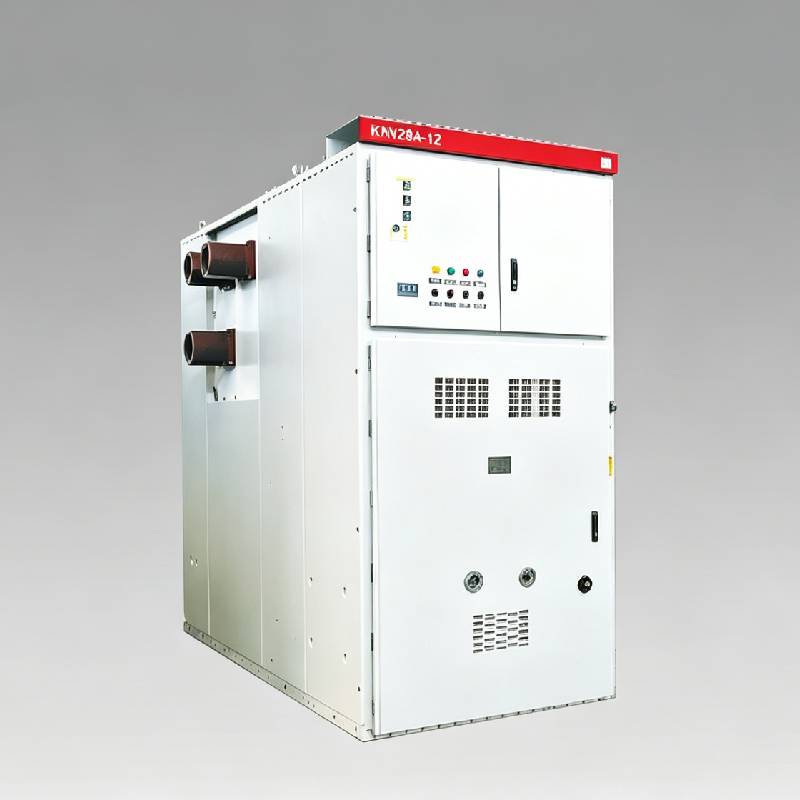
Control Systems: Advanced control systems enhance operational efficiency and monitoring capabilities,  making it easier  to manage power output  and performance.

By focusing on these  specifications, importers and distributors can ensure  they select generators  that meet client needs and industry standards.

How to Evaluate the Quality of Step Up Generators for Your Projects

How to Evaluate the Quality of Step Up Generators for Your Projects

Quality assurance is paramount when sourcing step-up  generators. Here are steps to  evaluate  the quality  effectively:

Manufacturer Reputation: Research the reputation of potential suppliers. Established manufacturers often have a track record of reliability  and performance.

Quality Certifications: Verify that the manufacturer has relevant quality certifications (such  as ISO 9001)  which indicate adherence to  quality  management standards. Bardeen Equipment Co., Ltd. emphasizes quality control  processes that ensure consistent product performance.

Material Selection:  Assess the materials  used in the generator’s construction. High-grade materials  can enhance durability and  performance.

Testing Protocols: Inquire about the testing protocols followed by  the manufacturer. Rigorous testing, including load  testing and environmental simulations, can provide assurance  of product reliability.

Sample Approval: Before committing to a  large order, request samples. Inspect these samples for performance and build quality, and consider testing them under actual operational conditions.

By taking these  steps, you can significantly reduce the risk of sourcing subpar  products.

Where to Source Reliable Step Up Generators for Industrial Applications

Where to Source Reliable Step Up Generators for Industrial Applications

Sourcing reliable  step-up generators requires a strategic approach. Here are some avenues  for  effective sourcing:

Direct from Manufacturers: Purchasing  directly from manufacturers  like  Bardeen Equipment Co., Ltd. can provide  advantages such as customized solutions, competitive pricing,  and direct  technical support.

Industrial Trade Shows: Attending industry trade shows allows  you to meet multiple suppliers, compare products firsthand, and establish personal relationships that  can aid future negotiations.

Online  Marketplaces: Utilize reputable B2B platforms where verified suppliers list their  products. Always check reviews and ratings before making a decision.

Local Distributors: Local  distributors may offer valuable insights  into the  market and provide the benefit of easier communication and  potentially faster lead times.

Industry Networks: Leverage professional networks or associations to find recommended  suppliers. Referrals from other industry  professionals can  lead to trustworthy sources.

By exploring these sourcing options, you can find reliable manufacturers that meet your project requirements.

Common Problems with Step Up Generators and Effective Solutions

Step-up generators, while essential, can face several common problems. Understanding these issues and their solutions can help maintain  operational efficiency:

Overheating: This  can occur due to  inadequate cooling or high ambient temperatures. Ensure proper ventilation and consider generators with effective cooling systems, such as those that utilize testing equipment for better performance.

Voltage Fluctuations:  Fluctuating output voltage  can affect equipment  performance. Implement voltage regulation systems to  stabilize output  levels.

Fuel Quality Issues: Poor  fuel quality can lead to operational  inefficiencies. Always source fuel from reputable suppliers and consider regular maintenance checks.

Mechanical Failures:  Routine maintenance  is essential to  prevent mechanical  failures. Establish a  preventive maintenance schedule that includes inspections  and necessary repairs.

Noise Pollution: Generators can be noisy, which  may not be  acceptable  in certain environments. Look for models designed with sound-dampening features or consider installing acoustic enclosures.

By proactively addressing these potential issues, you can ensure the reliability and longevity of your step-up  generators in industrial applications.

What to Consider When Choosing Step Up Generators for Wholesale

When  selecting step-up generators for wholesale, several factors should guide  your  decision-making process. First, assess  the power  requirements  of your target applications, ensuring  the generator can handle the  necessary load. Key considerations  include:

Voltage Output: Confirm the required output voltage  and ensure it matches the  needs of your clients or projects. Capacity Rating: Evaluate the generator’s capacity,  typically  measured  in kilowatts (kW) or megawatts  (MW), to ensure it meets operational demands. Fuel Type: Choose between diesel, gas, or alternative energy  sources based on availability, cost, and environmental  regulations. Portability: If your clients need flexibility, consider portable designs that facilitate easy relocation. 

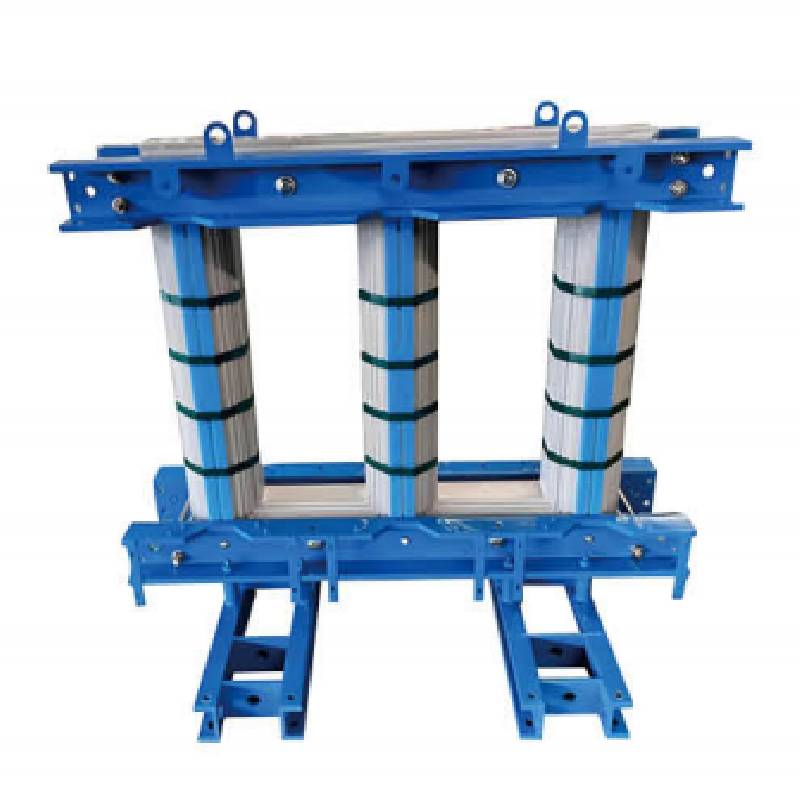
Customization options can also be important. Many manufacturers, like Bardeen Equipment Co.,  Ltd.,  offer tailored solutions that align with specific project requirements, including design modifications or unique performance specifications. For example, Dry‑Type Transformers are a popular choice for certain applications.

Get a Free Quote

Our representative will contact you soon.
0/1000