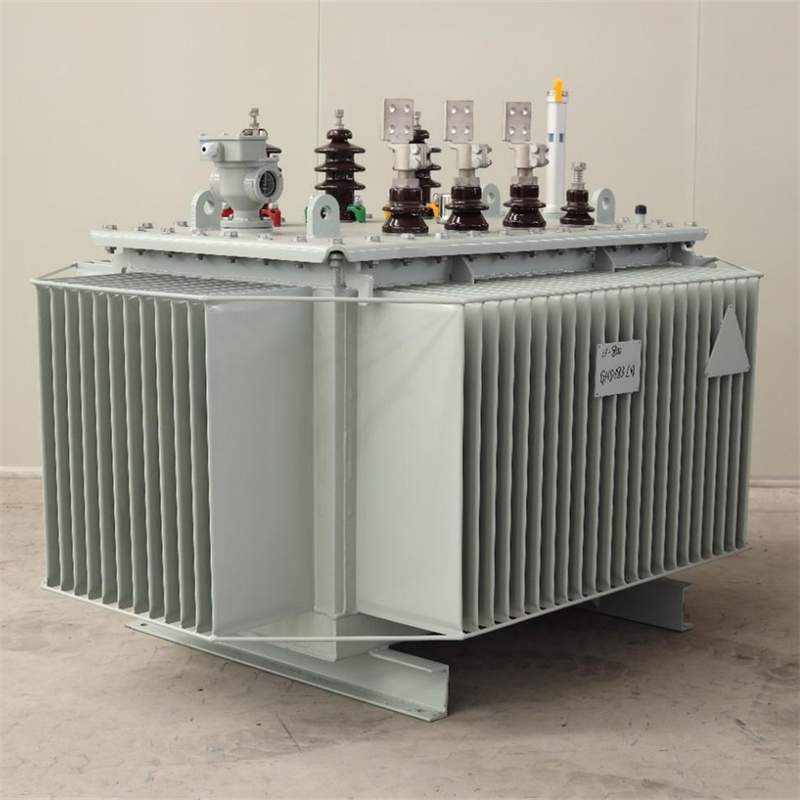
Choosing the Right 1000 kVA Transformer

application/1000-kva-transformer, application/1000-kva-transformer, 
Inquiry
application/1000-kva-transformer, application/1000-kva-transformer, 
Inquiry

1000 kva transformer

When selecting a 1000 kVA transformer for your project, understanding the technical specifications, application suitability, and sourcing options is crucial. This article provides insights into these areas, addressing key concerns for B2B buyers from Bading such as purchasing managers, engineers, and product managers. From understanding the essential specifications to navigating cost factors and finding reliable suppliers, this guide will equip you with the knowledge necessary to make informed decisions regarding 1000 kVA power transformer.  

Key Specifications to Consider for 1000 kVA Transformers

When evaluating key specifications for 1000 kVA transformers, several specifications are vital to ensuring optimal performance and reliability. 

Efficiency Rating: Look for high-efficiency ratings, as these can significantly affect operational costs. Transformers with higher efficiency reduce energy losses during operation. 

Temperature Rise: The maximum temperature rise under full load is critical. A lower temperature rise indicates better thermal management, which can extend the lifespan of the transformer. 

Impedance: Assess the impedance rating, which affects voltage drop and short-circuit performance. Proper impedance helps in maintaining system stability during load variations. 

Insulation Class: Check the insulation class of the transformer, which determines its thermal limits. This is essential for ensuring longevity in varying operational conditions. 

Short-Circuit Withstand Strength: This specification indicates the transformer's ability to withstand fault conditions. It’s crucial for protecting against potential damage during short circuits. 

Physical Dimensions: Ensure that the 500 kva transformer fits within your designated installation area, accounting for clearance and accessibility for maintenance. 

Understanding the Cost Factors of 1000 kVA Transformers

The cost of a 1000 kVA transformer can vary widely based on several factors. Understanding these can help in budget planning and supplier negotiations. 

Material Costs: The choice of core materials (such as silicon steel) and insulation affects the price. Higher-quality materials generally lead to better performance and longevity but come at a higher cost. 

Customization: Customized transformers designed for specific applications or environments may incur additional costs. Discuss any special requirements early in the procurement process to avoid surprises. 

Manufacturing Processes: The complexity of the manufacturing process influences pricing. Transformers that require advanced technologies or production techniques may be more expensive. 

Shipping and Handling: Transportation costs can also affect the final price, especially for large transformers. Consider logistics when planning your purchase.  

Supplier Reputation: Established suppliers like Bading with a track record of reliability and quality may charge higher prices, but they often provide better warranties and customer support.  

Where to Find Reliable Suppliers for 1000 kVA Transformers?

Finding a reputable supplier for a cost factors of 1000 kVA transformer is essential for ensuring product quality and dependable service. Here are some strategies: 

Industry Directories and Trade Shows: Utilize industry directories to find manufacturers and suppliers like Bading.  Attending trade shows can also provide opportunities to meet suppliers and evaluate their products firsthand. 

Online Research: Conduct thorough online research to find suppliers that specialize in transformers. Look for customer reviews and case studies to gauge their reliability and service quality. 

Networking: Leverage industry contacts and networks. Recommendations from trusted colleagues can lead you to reputable suppliers that have been vetted for quality and service. 

Request for Quotations (RFQs): Once you identify potential suppliers, prepare detailed RFQs that specify your requirements, including technical specifications and application details. 

Supplier Evaluations: Evaluate suppliers based on their manufacturing capabilities, certifications, and quality control processes. A manufacturer with IEC certification, like Bading, can be a good indicator of quality. 

Quality Control Measures in 1000 kVA Transformer Manufacturing

Quality control is a vital aspect of transformer manufacturing that ensures reliability and performance. Understanding these measures can help buyers make informed decisions. 

Material Inspection: Before production begins, raw materials should undergo stringent quality checks to ensure they meet specified standards. This includes verifying the properties of core materials and insulation. 

In-Process Testing: Manufacturers should implement in-process testing throughout production stages. This can include electrical testing, thermal testing, and dimensional verification to catch issues early. 

Final Testing: Completed transformers should undergo rigorous final testing, including load tests and efficiency evaluations. This step is crucial in confirming that the 25 kva transformer cost meets all required specifications before delivery. 

Documentation and Traceability: Ensure that the manufacturer provides comprehensive documentation, including test results and material certifications. This enhances traceability and accountability. 

Post-Production Inspections: After manufacturing, a final inspection should assess the overall quality and ensure compliance with order specifications. This serves as an additional layer of quality assurance before shipping. 

By understanding these critical aspects of key specifications for 1000 kVA transformers, buyers can make informed purchasing decisions that align with their project requirements. With careful consideration of specifications, cost factors, and quality control measures, organizations can secure reliable transformers that meet their operational needs. 

How to Choose the Right 1000 kVA Transformer for Your Project?

Choosing the correct 1000 kVA transformer involves assessing several critical factors that align with your project's requirements. Key considerations include the transformer's application, voltage rating, phase configuration, and environmental conditions. 

Application Suitability: Determine the specific application for which the transformer will be used, whether for commercial, industrial, or renewable energy projects. This affects the design and features required. 

Voltage Rating: Ensure that the transformer’s voltage rating matches your system's requirements. A mismatch can lead to inefficiencies or equipment damage. 

Phase Configuration: Decide between single-phase or three-phase transformers based on your power distribution needs.  Three-phase transformers are typically used for industrial applications due to their efficiency and balance. 

Environmental Considerations: Evaluate where the transformer will be installed. Factors such as temperature extremes, humidity, and exposure to contaminants can influence the type of materials and insulation used in the transformer. 

Customization Needs: If your application has unique requirements, consider working with a manufacturer like Bading that offers customization options to tailor the transformer to specific needs.  

Get a Free Quote

Our representative will contact you soon.
0/1000