Choosing the Right Transformer Winding Supplier

application/transformer-winding, application/transformer-winding, 
Inquiry
application/transformer-winding, application/transformer-winding, 
Inquiry

transformer winding

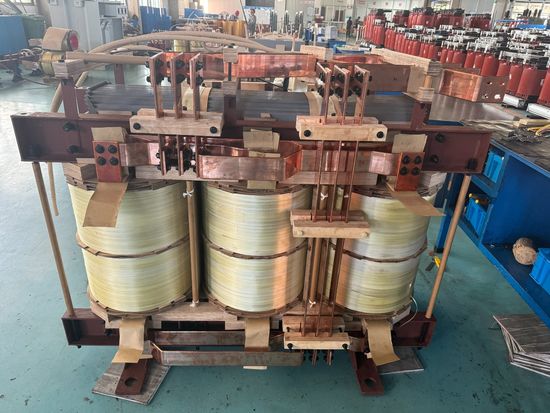
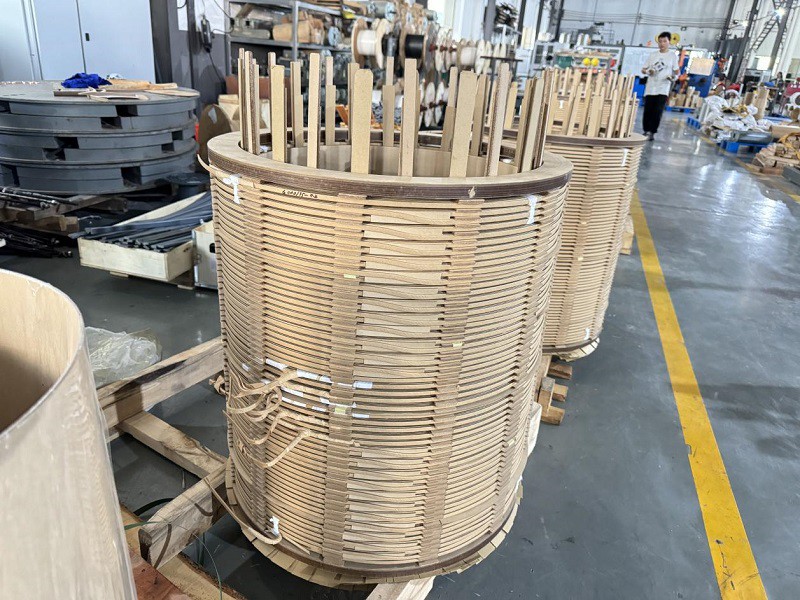
Choosing the right transformer winding supplier  is crucial for manufacturers and  engineers  involved in power grid, renewable storage, and commercial  projects. Transformer  windings are essential  components that directly influence the efficiency  and reliability of  transformers.  This  article will  guide you through the  key considerations when selecting  a supplier,  the  advantages of  bulk ordering, quality  control  measures in manufacturing, common issues with  windings, and how to find  trustworthy suppliers.

The Benefits of Bulk Ordering Transformer Windings for Contractors

The Benefits of Bulk Ordering Transformer Windings for Contractors

Bulk ordering transformer  windings can  provide  significant advantages for contractors  and  project managers. One primary benefit is  cost savings. When purchasing in larger quantities, manufacturers often  offer discounted rates, reducing the overall project budget. This can be especially beneficial for  contractors managing multiple projects simultaneously.

Additionally, bulk ordering ensures consistency in product quality. By sourcing a larger quantity  from a single supplier, contractors can  maintain uniformity  in the specifications and performance of the windings across different transformers. This is crucial for projects requiring multiple  units with  the  same operational characteristics.


Another advantage is improved supply chain efficiency. By placing bulk  orders, contractors can  streamline their procurement processes,  reducing  the time spent on sourcing and managing multiple suppliers. This can lead  to more predictable delivery schedules and fewer disruptions in project timelines.

Quality Control Measures in Transformer Winding Manufacturing

Quality Control Measures in Transformer Winding Manufacturing

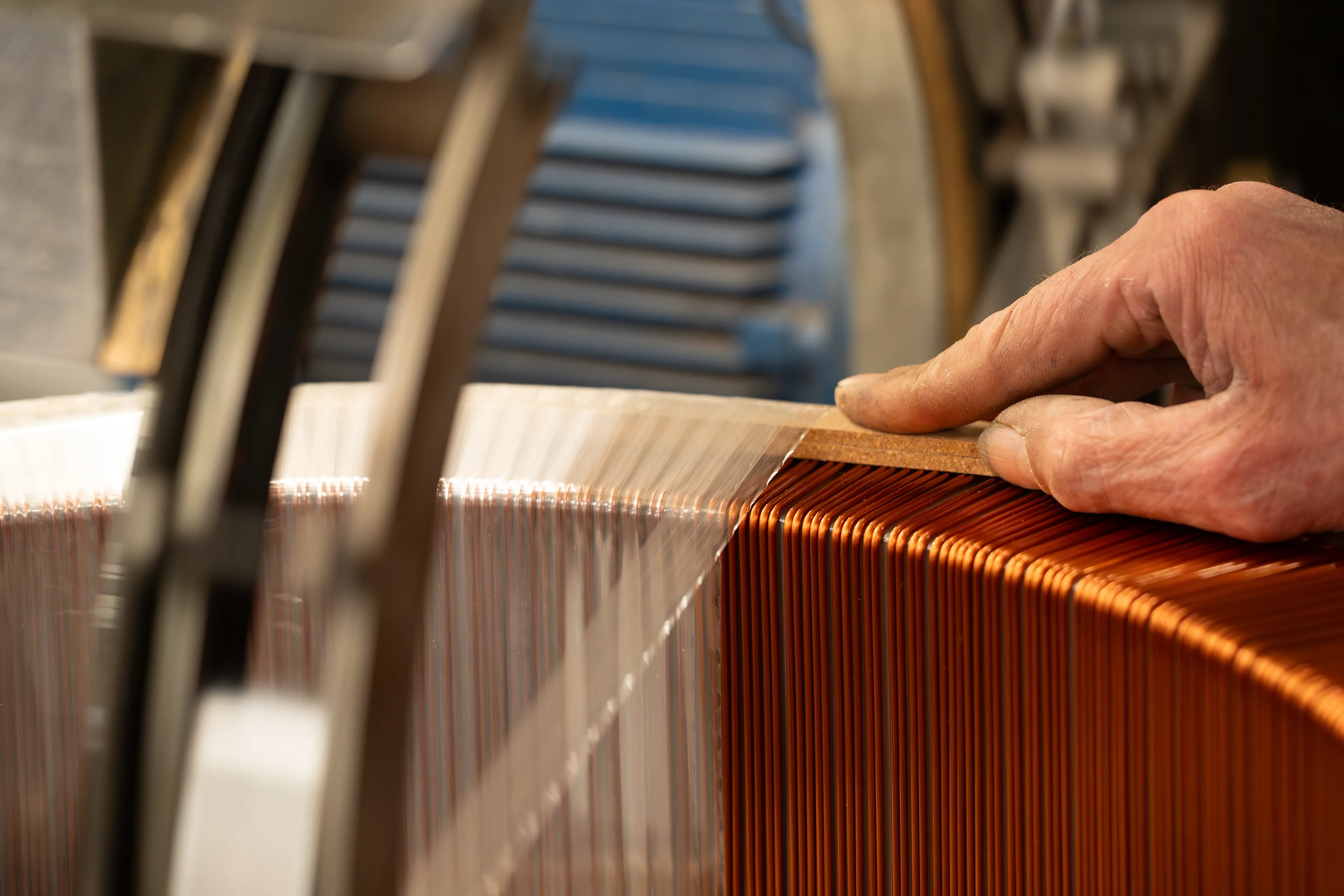
Quality control is a pivotal aspect of transformer winding manufacturing, directly impacting  the performance and longevity of transformers. Effective quality assurance begins with  material selection.  Suppliers must use high-grade  materials that  meet specific electrical insulation and  thermal performance criteria. Materials used in transformer windings include copper or aluminum wire, which need to have  appropriate  conductivity  and resistance properties.

During manufacturing,  various quality control measures should be implemented.  For instance, visual inspections should be conducted to identify  any physical defects, such as insulation damage or incorrect winding  techniques. Furthermore, electrical testing can be performed on completed  windings to ensure they meet specified resistance and inductance values.

Another crucial  step is the testing of finished samples under real operational conditions. This  allows  manufacturers to assess how the windings perform in practical applications, helping to identify any potential issues before mass production. Establishing a robust quality control framework not only  ensures reliable products but also builds  trust with customers who depend on the performance of these  critical components.

Common Problems with Transformer Windings and Their Solutions

Common Problems with Transformer Windings and Their Solutions

Despite the best manufacturing  practices, transformer windings can  encounter several common  problems, impacting their performance. One issue is insulation failure, which  can lead to short circuits or transformer malfunctions. This  typically occurs due to inadequate material quality or improper winding techniques. To address this, buyers should ensure  that insulation materials meet the necessary standards and that manufacturers adhere to best practices  in winding.

Another  frequent problem  is overheating, which can result from excessive current flow or poor thermal management. Ensuring that the selected winding design is suitable for the specific  application and that proper ventilation  is maintained can  help mitigate this  risk. Additionally, regular maintenance and monitoring can identify potential overheating issues before they lead  to failures.

Lastly, winding misalignment can occur during installation or manufacturing, affecting transformer efficiency. To solve this,  it  is  essential to verify  dimensions and  alignment during the production phase  and conduct thorough inspections before installation. Using experienced personnel for installation can further reduce  the risk of alignment-related problems.

Where to Find Reliable Suppliers for Transformer Windings

Finding reliable suppliers for  transformer windings requires a strategic approach. Start by researching manufacturers with  a proven track record in  producing high-quality  transformer components.  Industry directories, trade shows,  and online platforms can provide valuable information  about potential suppliers.

Once you  have a shortlist,  assess their reputations by checking client testimonials and case studies. Engaging with existing customers can provide insights into the supplier's performance,  product quality, and customer  service.

Additionally, consider  suppliers that offer customization and technical support.  A supplier like Bardeen Equipment Co., Ltd. can provide tailored solutions and expert advice, ensuring that your specific requirements are  met efficiently.

Finally, verify the supplier's certifications and compliance with industry standards. This not only ensures  that the products meet regulatory  requirements  but also reflects a commitment to quality and excellence in manufacturing practices.

By  carefully evaluating these factors, you can select a trustworthy supplier  for transformer windings, ensuring the success of your projects and the reliability of your power solutions.

What to Consider When Choosing Transformer Winding Suppliers

When selecting  a transformer winding supplier, it is essential to evaluate several critical factors. First, assess the manufacturer's experience  and expertise in producing  transformer windings. A company  with  a strong background in transformer manufacturing, such as Bardeen Equipment Co., Ltd., can provide  insights into the specifications and requirements necessary for  various applications. Additionally, considering the use of Dry‑Type Transformers can enhance your project's efficiency.

Next, consider the customization capabilities of the supplier. Different projects may require  specific winding  configurations, materials, and dimensions. Confirm  that the manufacturer  can accommodate these requirements while adhering to industry standards like IEC certification.

Quality assurance processes are another  vital  aspect to evaluate. Look for suppliers  that implement stringent quality control measures throughout the production process,  including testing and inspection  protocols. This ensures  that the  transformer windings meet performance standards and will function effectively in their intended applications. For example, Transformer Accessories play a crucial role in maintaining quality.

Finally, consider the supplier's production capacity and lead times.  If you have large-scale projects or require quick turnaround times, understanding a supplier's capability to meet your demands is essential for timely project execution.


Get a Free Quote

Our representative will contact you soon.
0/1000