dry-transformer-mold, dry-transformer-mold, /transformer-accessories
Inquiry
Inquiry

Dry Transformer Mold

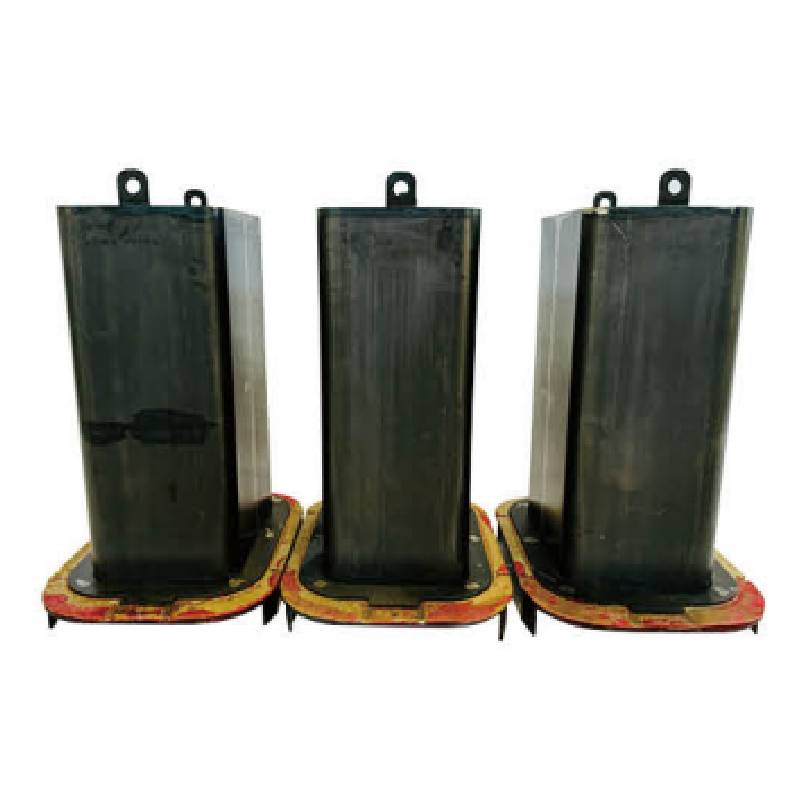
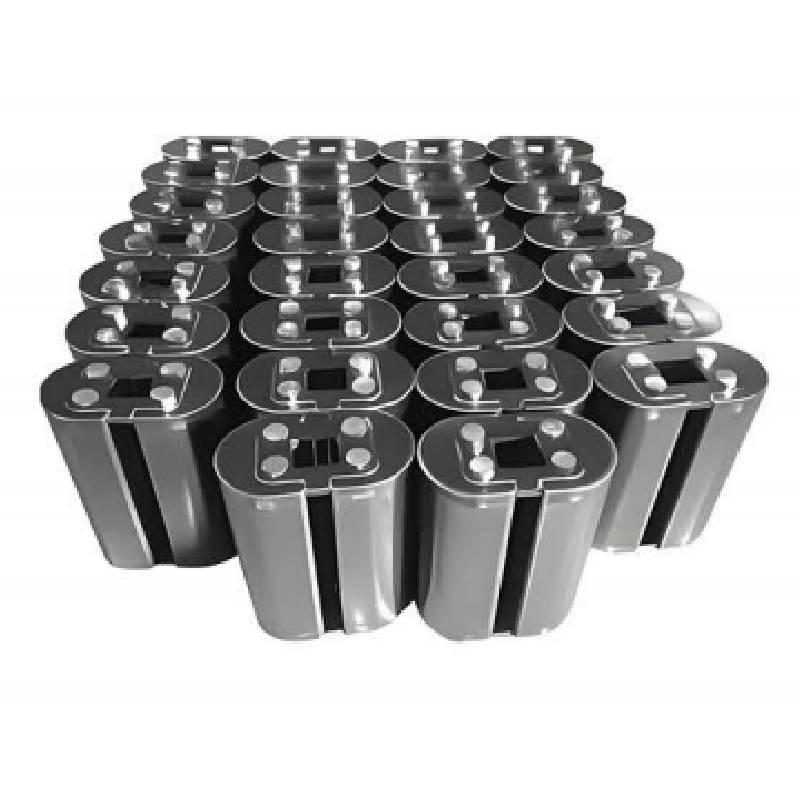
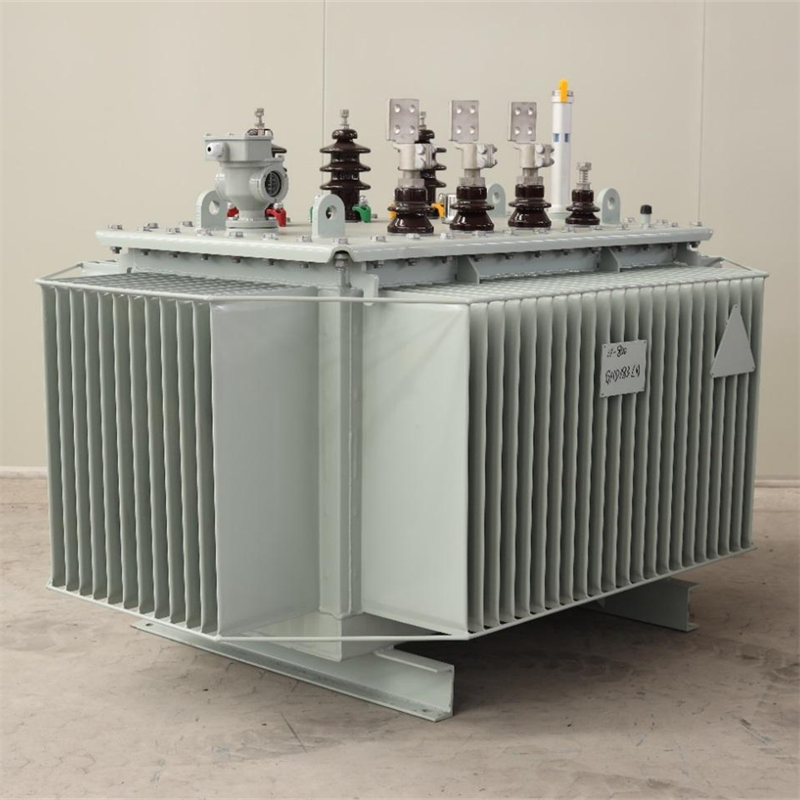
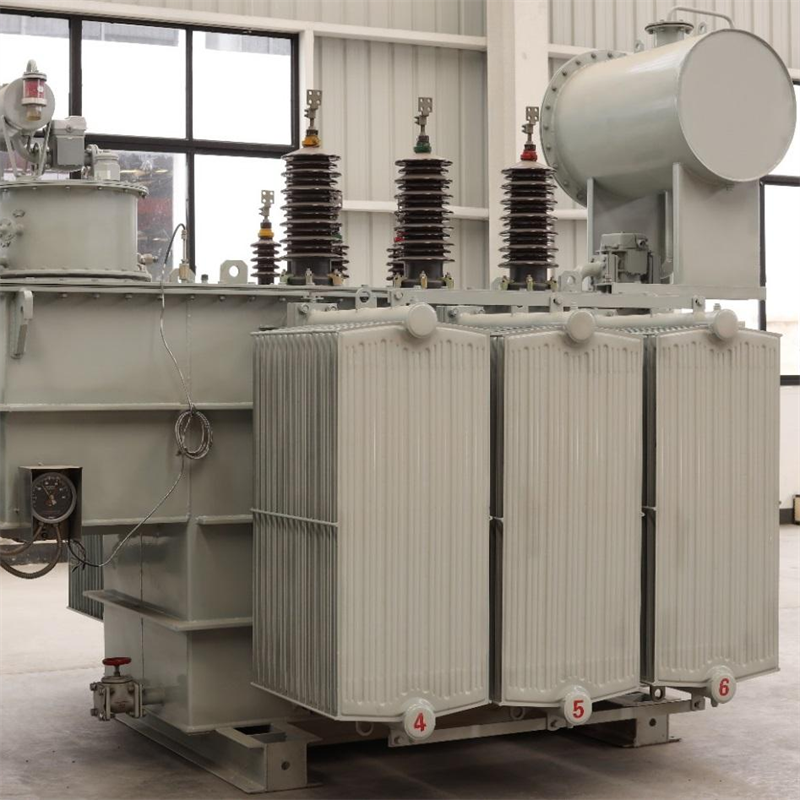
Dry-type transformer molds (dry-type transformer molds) are specialized molds used for manufacturing dry-type transformer windings, mainly applied in the manufacturing process of epoxy resin cast dry-type transformers. Its core function is to ensure that the windings form precise geometric shapes and insulation structures after casting and curing, meeting the electrical performance and mechanical strength requirements of the transformer. Dry-type transformers do not require oil insulation and rely on epoxy resin or other solid insulating materials formed by molds. Therefore, the precision and reliability of the molds directly affect the quality of the transformers.


Customize from Our Standard Product Line

If you spot a near-match in our catalog, we can quickly modify our standard transformers for your application. Adjustments cover capacity, voltage class, cooling type and installation structure.

Build per Your Technical Documents

Send us your specifications or drawings. Our engineering team reviews the design, validates all key parameters with you, and manufactures strictly in accordance with international standards.

Full Custom Design from Concept to Completion

Without formal detailed specs? Share your ideas and functional requirements. We partner with you to develop fully customized transformer solutions, from electrical design and structural layout through to insulation system.

Request a Quote
  • Overview
  • Product Overview
  • Technical Advantages
  • Applications
  • Innovation and Compatibility with Smart Grid Trends
  • FAQ
  • Transportation Services & Process

Overview

Bading introduces the Dry Transformer Mold, a precision-engineered solution designed to meet the evolving demands of modern power systems. The Dry Transformer Mold addresses critical manufacturing challenges for dry-type transformers by combining durable materials, optimized geometry, and advanced production processes. Its core purpose is to facilitate reliable epoxy resin casting and superior thermal and electrical performance across diverse applications, including smart grid compliance deployments and renewable energy storage trends. As Bading continues to serve global power grids, the dry transformer mold becomes a strategic component for manufacturers looking to scale production while maintaining quality and compliance.

Product Overview

Product Overview and Features

The Dry Transformer Mold is crafted from high-strength, thermally stable materials to withstand repeated cycles of epoxy resin casting without deformation. Bading’s design emphasizes dimensional accuracy, allowing repeatable core and winding placement that minimizes assembly time and reduces scrap rates. The mold’s engineered surface finish promotes uniform flow and cure of epoxy resin casting, which is essential to achieve void-free Encapsulation and consistent insulation properties. Quick-release mechanisms and modular insert options support rapid changeovers between transformer sizes and configurations, improving factory throughput.
Key features include:
- High-precision manufacturing tolerances to ensure consistent winding alignment and core positioning for the dry transformer mold.
- Temperature-resistant mold materials to tolerate multiple epoxy resin casting cycles and high-cure processes.
- Modular inserts and interchangeable cores to accommodate multiple transformer designs with minimal retooling and full smart grid compliance support.
- Enhanced venting channels and vacuum port compatibility to reduce trapped air and improve epoxy resin casting quality.
- Reinforced structural supports to maintain integrity under high-pressure casting conditions and automated handling systems aligning with renewable energy storage trends.
- Surface treatments that promote consistent demolding and reduce maintenance downtime.

Technical Advantages

Technical Advantages

Bading’s Dry Transformer Mold integrates several technical advantages that improve product yield and performance. The design minimizes localized stresses during epoxy resin casting by ensuring even resin distribution, which reduces the likelihood of hotspots and dielectric weaknesses. The mold’s thermal properties are tailored to support controlled cure profiles, offering compatibility with a range of epoxy formulations and curing cycles. For manufacturers pursuing higher insulation classes or demanding thermal-rise limits, the dry transformer mold enables consistent winding encapsulation needed to meet stringent specifications.

Applications

Applications

The Dry Transformer Mold is ideal for manufacturing dry-type transformers used across multiple sectors:
- Utility power distribution: The dry transformer mold supports production of distribution transformers and substation dry units that must meet grid reliability standards.
- Renewable energy storage: As renewable energy storage trends drive demand for scalable and resilient power electronics, the mold enables production of transformers tailored for battery energy storage systems, Microgrids, and inverter-interfacing equipment.
- Industrial and commercial installations: The mold supports transformers for mission-critical facilities, manufacturing plants, and data centers that require robust insulation and low-maintenance operation.
- Transportation and infrastructure: For rail, airport, and urban transit electrification projects, the mold aids manufacturing of compact dry transformers that meet space and safety constraints.
- Smart grid integration: The mold facilitates production of transformers designed for smart grid compliance, enabling reliable operation with distributed generation and two-way power flows.

Innovation and Compatibility with Smart Grid Trends

Innovation and Compatibility with Smart Grid Trends

The Dry Transformer Mold aligns with smart grid compliance by enabling transformers that integrate sensors and monitoring platforms. By incorporating dedicated mounting points and channels for temperature, humidity, and partial discharge sensors, the mold helps manufacturers produce transformers that support real-time condition monitoring and predictive maintenance strategies. These capabilities are crucial for modern smart grids, where asset visibility and data-driven operation reduce downtime and improve grid resilience.

Epoxy Resin Casting and Process Efficiency

Epoxy resin casting is central to the mold’s function. The Dry Transformer Mold is optimized for epoxy resin casting workflows, featuring controlled venting, vacuum compatibility, and channels that promote laminar resin flow. These attributes reduce trapped air and voids that can compromise dielectric strength. Uniform resin distribution improves thermal contact between windings and Encapsulant, enhancing heat dissipation and extending transformer life.

FAQ

Frequently Asked Questions

Q1: Are your transformer accessories (tanks, cores, radiators) suitable for non-standard transformer models? Do you support customisation based on drawings?A1: Absolutely. We are not only a manufacturer but also a provider of customised solutions. Whether you provide hand-drawn sketches, used part samples, or PDF drawings, our technical team can produce precise CAD production drawings for you. For cores, we can tailor the stacking scheme of grain-oriented silicon steel sheets according to your loss requirements; for tanks, we can adjust wall thickness and reinforcement structures based on insulation class.
Q2: How do you ensure that the cores or clamping frames you produce match the performance of my original transformer design?A2: We implement full-process quality traceability. For cores, we strictly test flux density and specific loss to ensure they meet or even exceed national standards. For clamping frames (clamps), we pay special attention to punching position accuracy and galvanising/anti-corrosion treatment, and provide CMM (coordinate measuring machine) inspection reports for critical dimensions, ensuring seamless installation upon receipt.
Q3: What materials are used for the transformer tanks and radiators? How do you prevent rusting?A3: We conventionally use high-quality cold-rolled steel plates (Q235B or Q345R). For rust prevention, we perform strict shot-blasting to remove mill scale, followed by epoxy coal tar paint or polyurethane topcoat, with a dry film thickness strictly controlled above 120μm. For radiators (fin-type radiators), we place special emphasis on internal pickling and phosphating treatment to ensure that the transformer oil is not contaminated during circulation.
Q4: Are the silicon steel sheets for the cores imported or domestic? Are the clamping frames strong enough?A4: We offer two options – Baowu Steel and Nippon Steel – to suit different budget requirements. For clamping frames (clamps), we use high-strength steel formed in one stamping process, followed by vibration ageing treatment to relieve internal stress. This ensures that the clamps do not deform during a transformer short circuit, firmly securing the core.
Frequently Asked Questions

Transportation Services & Process

Transportation Services & Process

1. Heavy‑Lift & OOG Expertise

Specialized handling for Over‑Out‑of‑Gauge (OOG) cargo. We manage the entire process for heavy transformers, from custom crating and vacuum packaging to flat‑rack, break‑bulk, or Ro‑Ro shipping.

2. Customs & Compliance Management

Expert handling of complex export/import documentation, HS codes, and destination country regulations. We ensure smooth customs clearance to avoid costly delays.

3. Real‑Time Visibility & Risk Control

24/7 GPS tracking and milestone updates. Comprehensive cargo insurance covering all risks from origin warehouse to destination site.

4. Emergency Response

Prioritized air freight and expedited sea options for critical breakdowns. We minimize downtime by getting your replacement transformer or parts there faster.

Process

1

Assessment & Planning

We analyze the dimensions, weight, and route to design the optimal transport plan.

2

Professional Packaging

Seaworthy packing

3

Multimodal Transit

Execution of sea/air/land transport with strict handling protocols.

Need urgent after‑sales logistics support? Contact our global service team for a tailored quotation.

Dry Transformer Mold

Dry-type transformer molds (dry-type transformer molds) are specialized molds used for manufacturing dry-type transformer windings, mainly applied in the manufacturing process of epoxy resin cast dry-type transformers. Its core function is to ensure that the windings form precise geometric shapes and insulation structures after casting and curing, meeting the electrical performance and mechanical strength requirements of the transformer. Dry-type transformers do not require oil insulation and rely on epoxy resin or other solid insulating materials formed by molds. Therefore, the precision and reliability of the molds directly affect the quality of the transformers.


Customize from Our Standard Product Line

If you spot a near-match in our catalog, we can quickly modify our standard transformers for your application. Adjustments cover capacity, voltage class, cooling type and installation structure.

Build per Your Technical Documents

Send us your specifications or drawings. Our engineering team reviews the design, validates all key parameters with you, and manufactures strictly in accordance with international standards.

Full Custom Design from Concept to Completion

Without formal detailed specs? Share your ideas and functional requirements. We partner with you to develop fully customized transformer solutions, from electrical design and structural layout through to insulation system.

Request a Quote

Featured Products

dry transformer mold-1

Get a Free Quote

Our representative will contact you soon.
Email
Name
WhatsApp
Mobile
Company Name
Message
0/1000