Key Specifications of Solar Inverter Transformers

application/solar-inverter-transformer, application/solar-inverter-transformer, 
Inquiry
application/solar-inverter-transformer, application/solar-inverter-transformer, 
Inquiry

solar inverter transformer

Solar inverter  transformers play a crucial role in converting  and  managing the electrical output from  solar  power systems. As  a purchasing manager or engineer,  understanding  the key specifications, reliability, and  costs  associated with  these transformers is  essential for  making informed  decisions that align with project requirements. This article will delve  into critical  aspects of solar inverter transformers, guiding you through important specifications,  supplier evaluation, cost factors,  applications,  and the advantages of materials used in  these systems.

Evaluating the Reliability of Solar Inverter Transformer Suppliers

Evaluating the Reliability of Solar Inverter Transformer Suppliers

Choosing  a reliable supplier  for solar inverter transformers is vital to ensure  long-term performance and support. Here are  some considerations  for evaluating potential suppliers:

Manufacturing Standards: Verify  that the supplier adheres  to recognized manufacturing standards, such as IEC certifications.  This assures that they follow industry best practices and maintain quality control throughout their production processes.

Customization Capabilities: Not all projects are the same; therefore, a  supplier should offer customization options tailored to specific project requirements. Inquire about their ability to produce transformers with specific voltage ratings,  cooling  requirements, or dimensions.

Technical Support:  Quality  technical support can be critical, especially during the installation and commissioning phases. A reputable supplier should provide ongoing assistance and guidance,  helping you troubleshoot any issues that arise.


Experience  and Reputation:  Research the supplier’s track record in  the industry. Look for customer testimonials and case studies that demonstrate their experience with solar inverter transformers and their ability  to deliver on time.

By thoroughly evaluating these factors, you can identify suppliers  that are likely to meet your project’s demands effectively.

Cost Factors to Consider When Purchasing Solar Inverter Transformers

Cost Factors to Consider When Purchasing Solar Inverter Transformers

The cost of solar inverter transformers  can vary significantly based on several  factors. Understanding these factors will aid in budgeting for  your project:

Specifications:  Higher voltage ratings, better efficiency, and advanced cooling methods typically result in higher costs. Assess  which specifications are necessary for  your application to find a balance between performance and  budget.

Customization:  Custom  designs often incur additional costs compared to standard models. Be clear about your requirements, as this  can help suppliers provide accurate quotes and avoid  unexpected  expenses.

Order Quantity: Bulk orders can lead to reduced per-unit costs.  If you have  multiple projects planned, consider  consolidating orders to leverage economies of scale.

Shipping and Handling: Transportation costs can impact the overall price, especially for larger  transformers. Evaluate potential suppliers based on  their shipping capabilities and associated costs.

Warranty and After-Sales Support: A more robust warranty and  comprehensive support services may result in higher initial  costs but can save money in the long run by reducing maintenance and replacement costs.

Considering these factors will help you navigate the purchasing process more effectively and ensure that you receive the best value for your investment.

 
Where and Why They Are Used

Where and Why They Are Used

Solar inverter transformers are essential components  in various applications within the renewable energy sector.  Their primary uses include:

Power Grids: In utility-scale solar farms, transformers connect solar inverters to the power grid, stepping up the voltage for  efficient transmission. This integration is critical for  facilitating the distribution of renewable energy.

Renewable Storage  Systems: In systems that include battery storage, solar inverter transformers are used to manage the flow of electricity between the solar  panels, batteries, and  the grid. This helps ensure that power is  available when needed,  enhancing energy reliability.


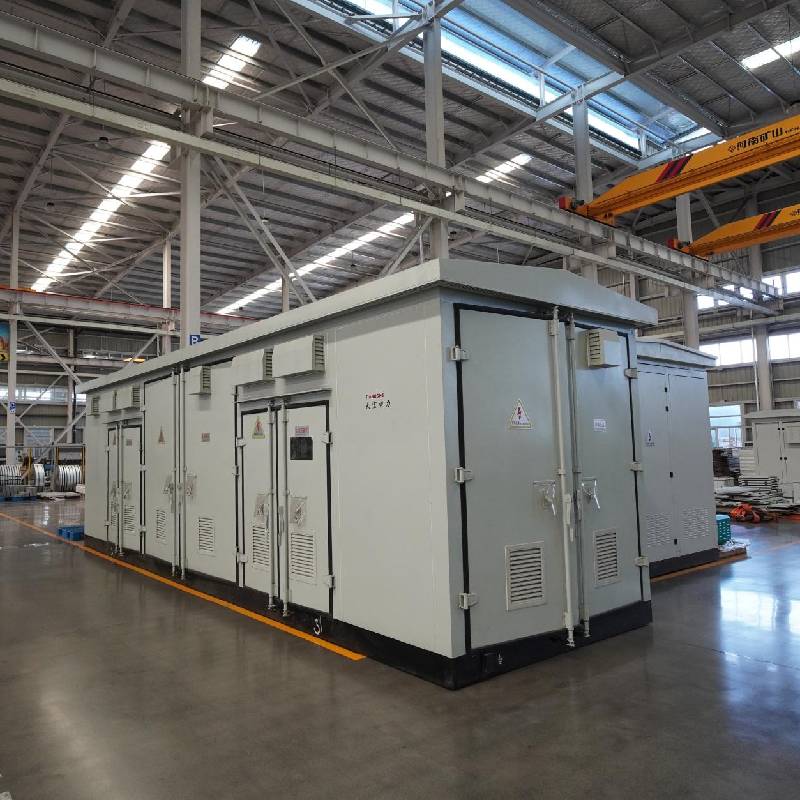
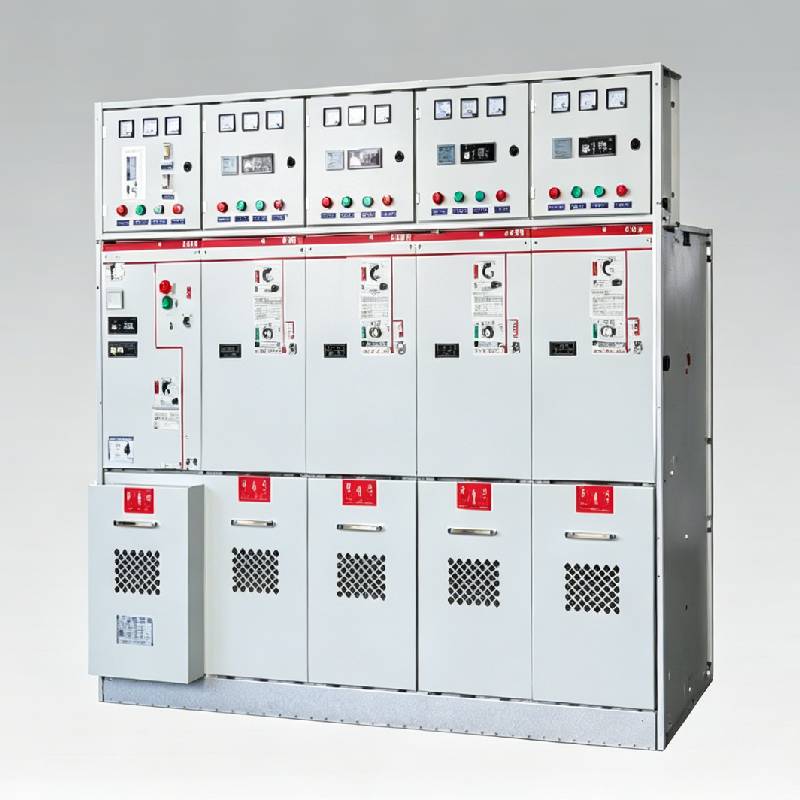
Commercial Projects: Businesses implementing solar  energy solutions often use transformer systems, such as the PowerGrid-10000H Substation Transformer, to ensure  that  the  energy produced meets their operational demands. This can include anything from powering  manufacturing processes to providing energy for commercial buildings.

Residential Applications: While less  common, smaller solar inverter  transformers are also used in residential solar installations,  allowing  homeowners to efficiently convert and utilize solar energy.


Understanding where and how solar inverter transformers are used can help you better assess their necessity in your projects.

Material Advantages of Solar Inverter Transformers in Renewable Energy Systems

The materials used in  solar inverter transformers significantly impact their performance  and durability. Here are some advantages associated with common materials:

Copper Windings: Copper  is widely  used for transformer windings due to its excellent electrical  conductivity. This results in better efficiency and lower energy losses, making copper-wound transformers a preferred choice  for high-performance  solar applications.

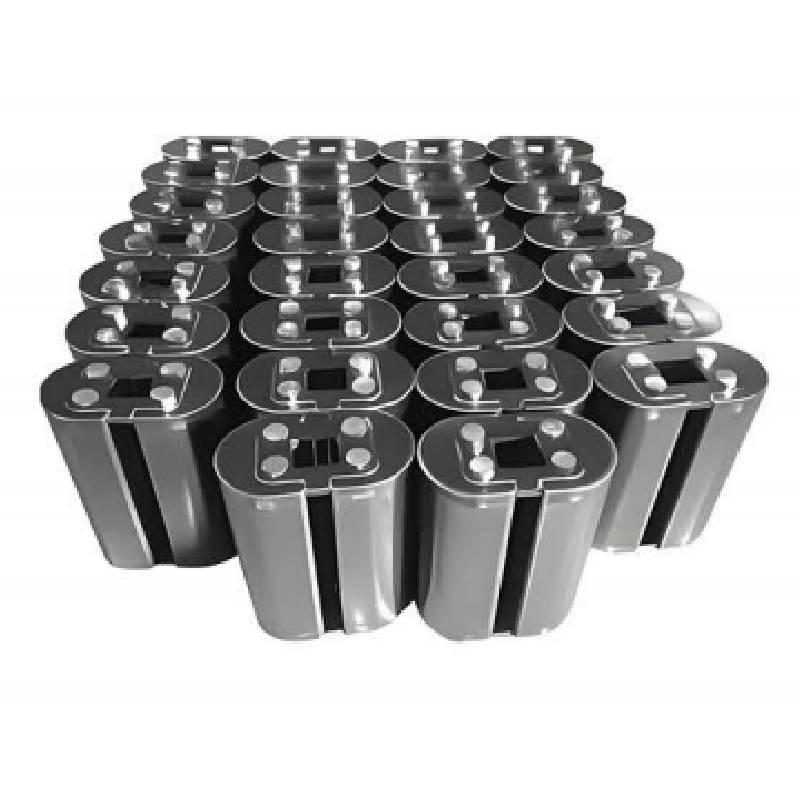
Silicon Steel Cores: Many  transformers utilize silicon steel for their cores, which enhances magnetic properties and reduces  energy losses during operation. This material  advantage contributes  to overall efficiency, making it an ideal choice for renewable energy applications.


Polymer Insulation: Advanced polymer insulations are now being used instead  of traditional oil-based insulation. These materials provide better thermal stability and can withstand higher  temperatures, thereby extending the lifespan of the transformer.

Corrosion Resistance:  Materials treated for corrosion resistance are vital in environments exposed to moisture or harsh chemicals. This ensures that the transformers maintain performance over time, reducing maintenance needs.


By understanding the materials that make up  solar  inverter transformers, such as those found in Oil Transformer Iron Core, you can make more informed purchasing decisions that  align with your project’s long-term goals  and operational needs.

Key Specifications and Features

When selecting a solar inverter transformer, several key specifications and features must be considered:

Voltage  Rating: The  voltage rating typically indicates the maximum voltage the  transformer can handle. For solar applications, transformers should match the voltage output of the inverter. A  common specification is 220kV,  which  is suitable for integration into power  grids.

Frequency: Transformers designed for solar applications usually operate at either 50Hz or 60Hz. Ensure that the frequency aligns with  your solar inverter to prevent operational issues.

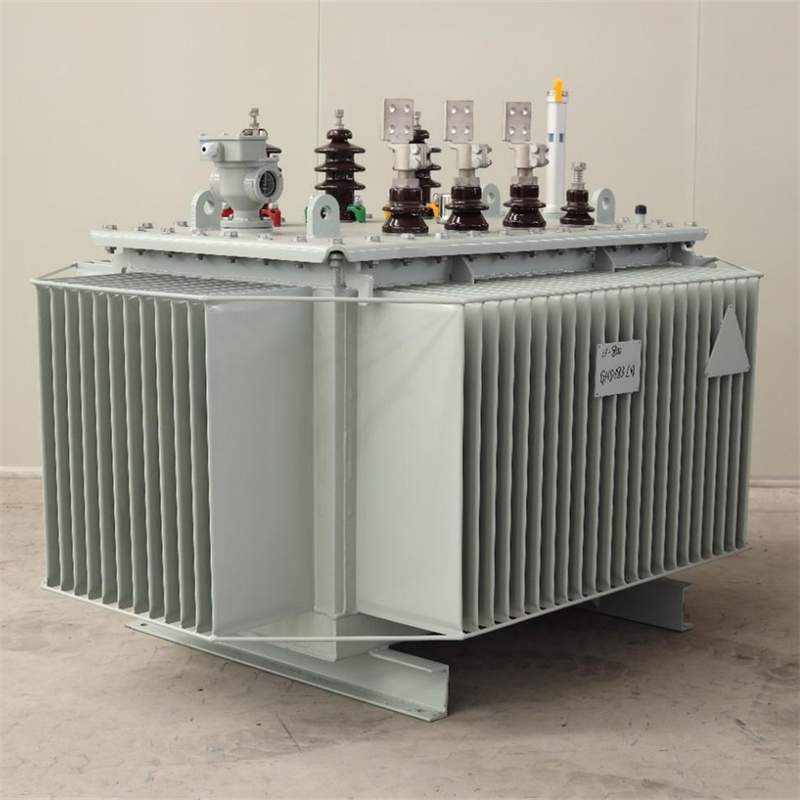
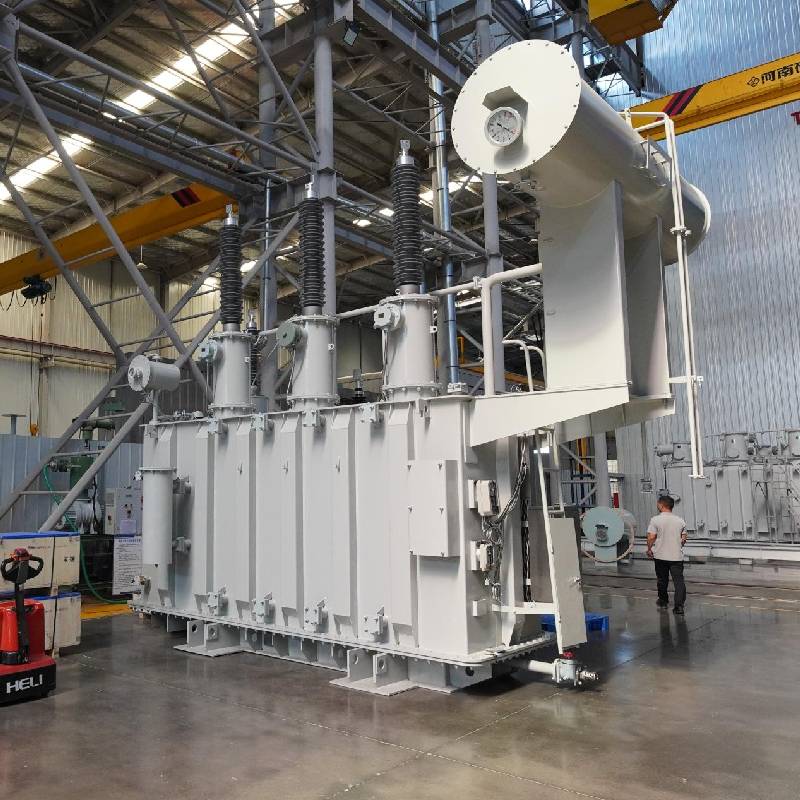
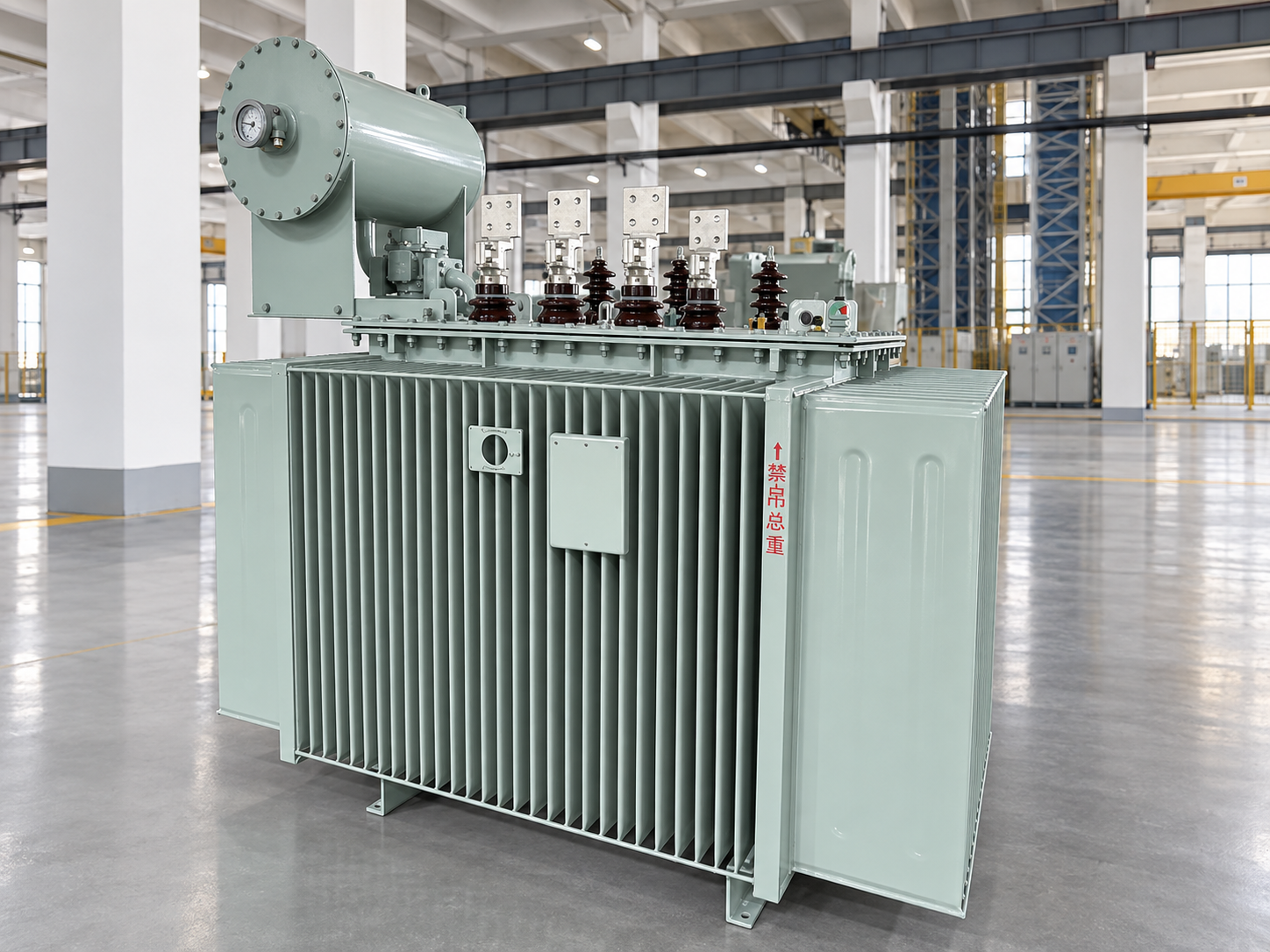
Cooling Method: Solar inverter transformers can utilize various cooling methods, including oil-immersed and dry-type  designs. Oil-immersed transformers, such as the Oil Immersed Transformer 66kV 10000kVA, are often preferred for their heat dissipation capabilities, especially in larger installations.

Efficiency  Ratings: The  efficiency of the transformer is  crucial  for minimizing energy losses. Look  for transformers  with high efficiency  ratings, as these will contribute to the overall performance and return on investment of  the solar power system.

Insulation Class:  Insulation  class determines the transformer's ability to withstand temperature variations. Classes such as A, B, F, and H indicate different temperature limits, which can impact longevity and reliability in different environments.

Understanding these specifications will help you evaluate options and ensure compatibility with your  solar energy system.

Get a Free Quote

Our representative will contact you soon.
0/1000